

All News
All News
Here's the latest astronomy news, check it out!
Share to
The “Blaze Star” May Erupt at Any Time, Creating a New Bright Star in the Night Sky
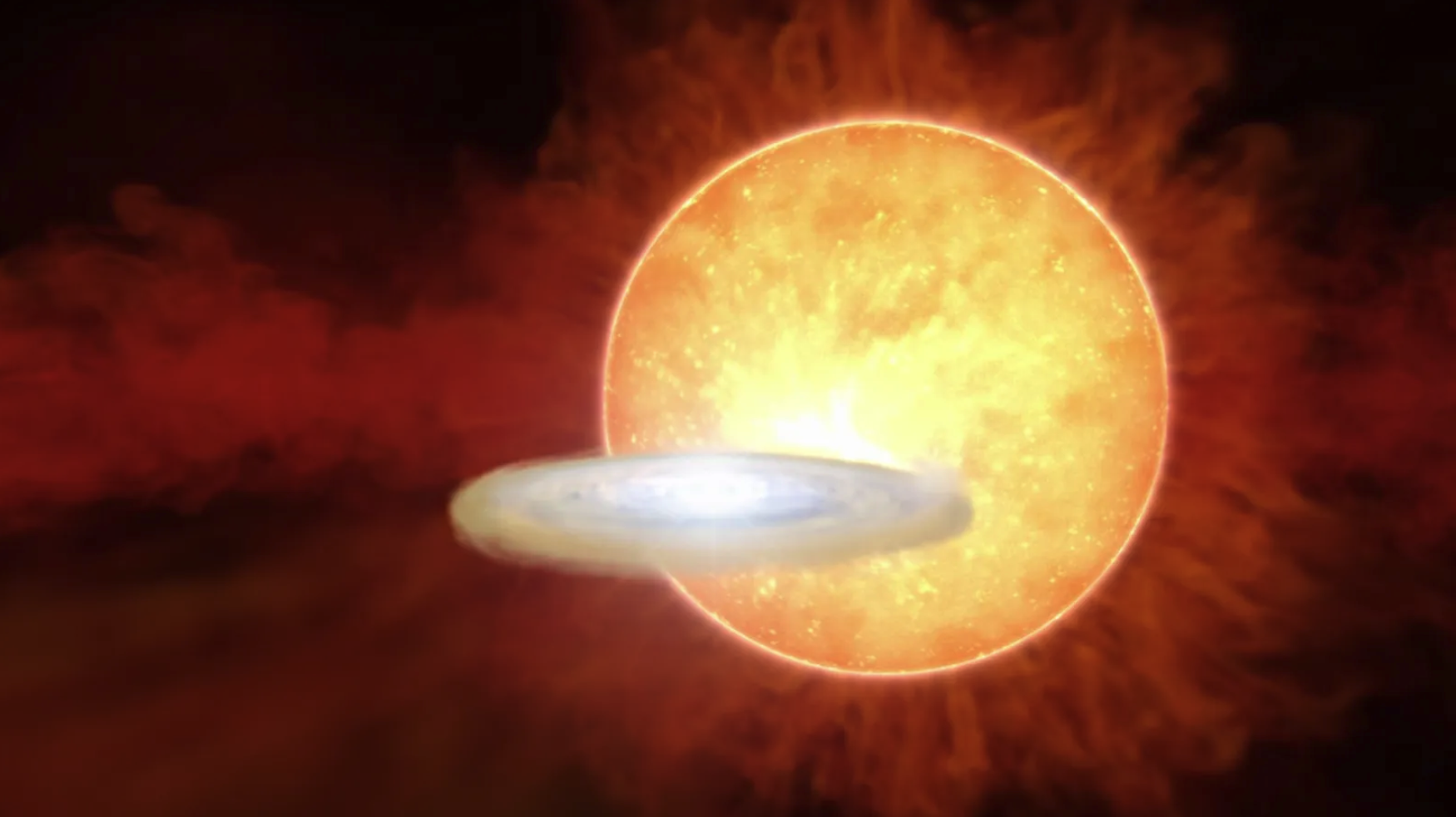
An illustration of T Coronae Borealis, two stars that orbit each other: a red giant nearing the end of its life and an Earth-sized stellar remnant known as a white dwarf. (Image credit: NASA's Goddard Space Flight Center Conceptual Image Lab) A once-in-a-lifetime celestial event could occur in the coming days or months. If it does, the star system T Coronae Borealis (T CrB) will suddenly brighten, appearing as a “new star” in the night sky and potentially shining nearly as brightly as Polaris, the North Star. Known as the Blaze Star, T CrB is an extremely rare type of system called a recurrent nova. It consists of a white dwarf and a red giant orbiting one another in a close binary system. Over time, the white dwarf continuously pulls material from its red giant companion. As hydrogen accumulates on the white dwarf’s surface and reaches a critical threshold, a powerful thermonuclear explosion is triggered. This eruption can increase the system’s brightness by thousands or even tens of thousands of times. After the outburst, the white dwarf resumes drawing material from its companion, beginning the cycle once again. Historical records indicate that T CrB erupts roughly once every 80 years. Astronomers have documented several such events over the past eight centuries, with the most recent eruption occurring in 1946. As a result, many researchers believe the system is now approaching its next outburst. In early 2024, some astronomers predicted that an eruption might be imminent after observing brightness changes that closely resembled patterns seen before previous eruptions. However, despite multiple prediction attempts, T CrB has remained relatively quiet, and the expected outburst has yet to occur. Even so, astronomers consider the system to be in an active state, and the eruption could happen at any time. When it does, T CrB is expected to brighten from its usual magnitude of around 10—far too faint to be seen with the naked eye—to approximately magnitude 2, making it visible without any optical aid and comparable in brightness to Polaris. T Coronae Borealis is located in the constellation Corona Borealis, situated between Boötes and Hercules. The constellation forms a distinctive semicircular pattern resembling a crown. During the eruption, observers will see a bright “new star” appear within this crown-shaped constellation before gradually fading over the following days or weeks. Recurrent novae are exceptionally rare, with only about five known examples currently identified in the entire Milky Way. As a result, the next eruption of T CrB is not only expected to be a spectacular sight for skywatchers, but also a valuable opportunity for astronomers to study white dwarf accretion, binary star evolution, and the physics of thermonuclear explosions. If current expectations prove correct, the coming months may bring one of the most anticipated naked-eye astronomical events in recent years, as a “new star” briefly lights up the night sky in Corona Borealis.
June 25: Jupiter near Mercury
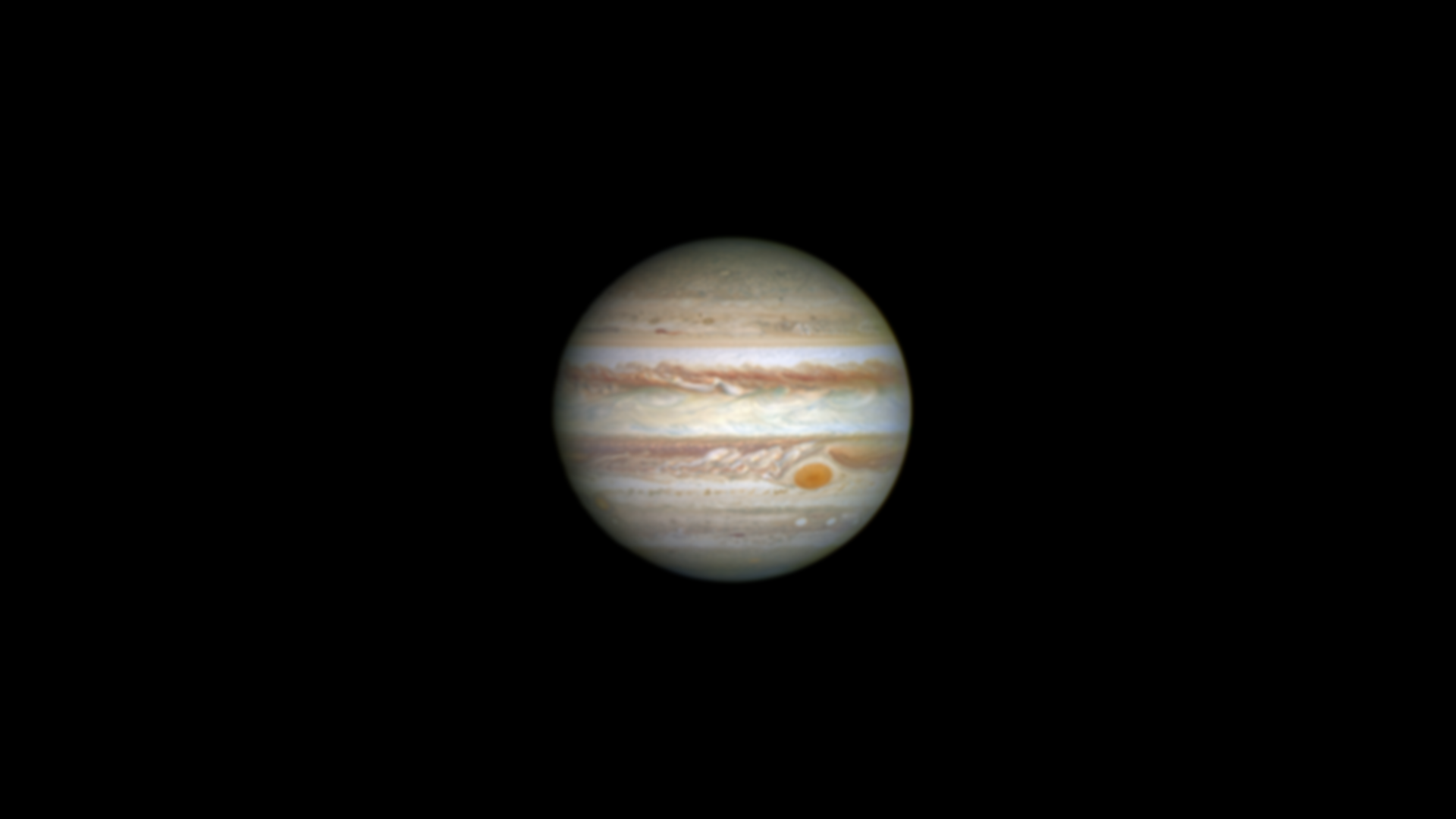
- Close approach time: 12:11 GMT (08:11 EDT) - Close approach distance: 3°44′ - Conjunction time: June 26, 08:14 GMT (04:14 EDT) - Conjunction distance: 3°46′On June 25, Jupiter (mag –1.8) and Mercury (mag 1.4) will appear close together in the evening sky, low above the western horizon. The pair will be visible for about an hour after sunset, but don’t wait too long: Mercury will be the harder planet to catch and will set soon after the Sun. This conjunction is worth looking for because it comes as part of the broader June 2026 evening planet display. Bright Venus (mag –4.0) will shine higher above the horizon, helping you locate the area of the sky where Mercury and Jupiter appear. Start with dazzling Venus, then look lower toward the horizon for Jupiter, with much fainter Mercury nearby. From:StarWalk
June 21: June Solstice
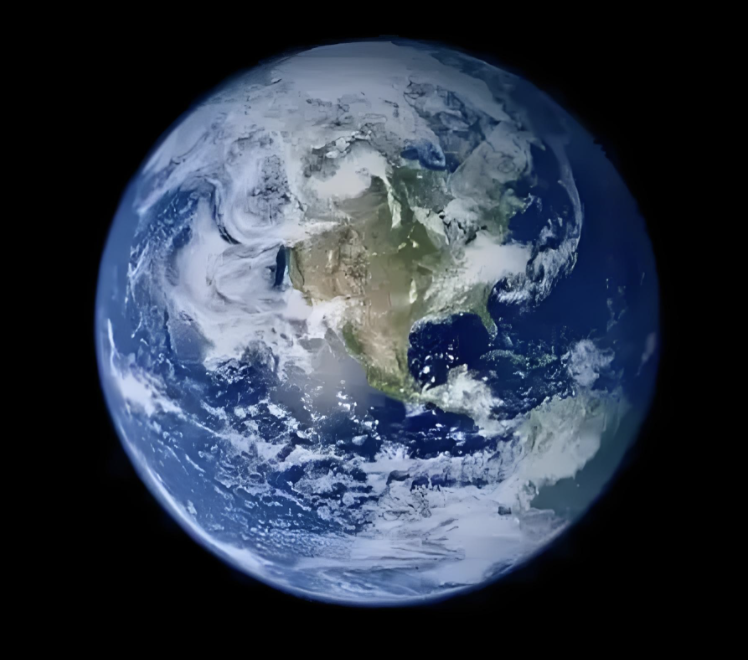
The summer solstice occurs at 4:25 A.M. EDT. This is the time the Sun reaches its northernmost point in the Northern Hemisphere sky, which also means our star takes its longest path across this hemisphere’s sky on this date and provides the most hours of daylight. Today also marks the beginning of astronomical summer in the Northern Hemisphere, although meteorological summer began on the 1st of June. First Quarter Moon occurs at 5:55 P.M. EDT. Rising around 1 P.M. local daylight time, our satellite is now in Virgo. If you look west about an hour after sunset, you’ll see a long line of bright lights in the sky, starting with Mercury in Gemini, just 4° high. Stretching out to the upper left are then Jupiter, Venus, Regulus, the Moon, and Spica. The line these objects trace out is the ecliptic, the plane of the solar system where all the major planets orbit. The ecliptic is defined by the tilt of Earth’s orbit, such that Earth’s orbit is tilted 0° to this imaginary line. All the planets lie close to this plane, and even the Moon’s orbit lines up along it. Many bright stars also happen to sit near the ecliptic, and Regulus and Spica are two such stars. This is why the Moon regularly passes close to — or sometimes in front of — them.
JWST Finds Evidence That Supermassive Black Holes May Form Before Galaxies
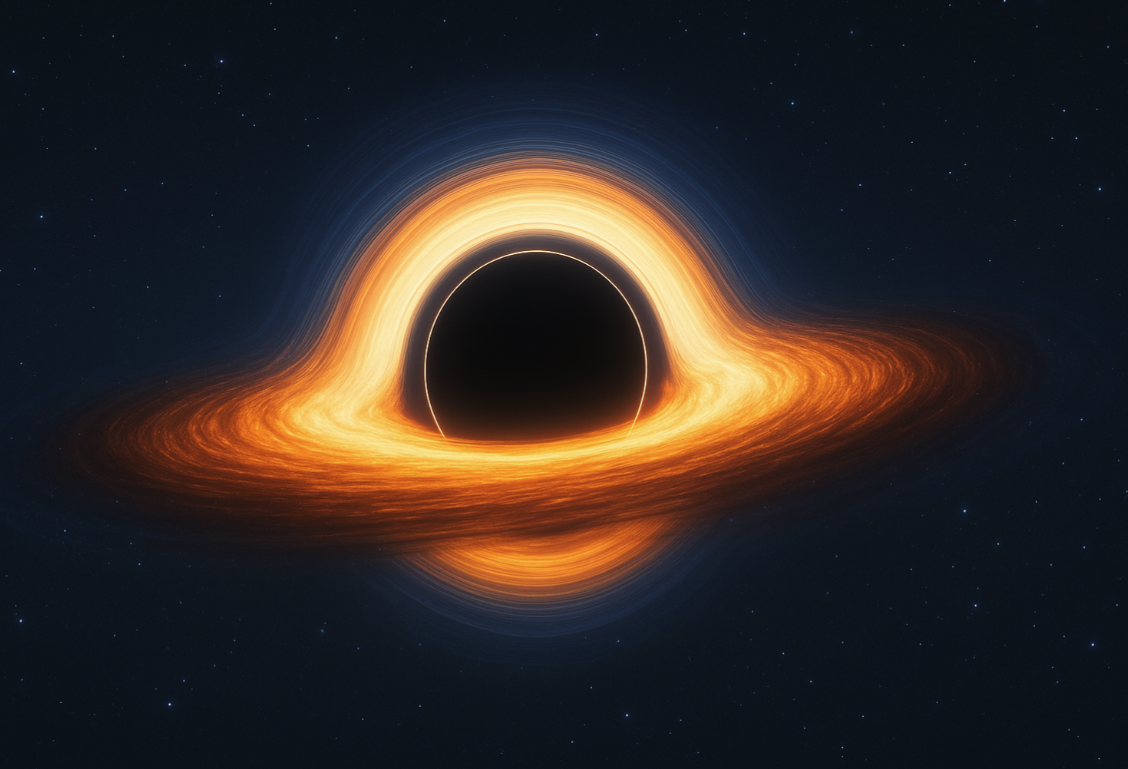
For decades, astronomers have debated a cosmic version of the classic “chicken-or-the-egg” question: which came first in the universe — galaxies or the supermassive black holes at their centers? A new study may have brought us closer to an answer. Using observations from the James Webb Space Telescope (JWST), researchers have found a distant galaxy that existed just 700 million years after the Big Bang, whose central black hole accounts for nearly two-thirds of the galaxy’s total mass. The discovery suggests that, at least in this case, the black hole likely formed before the galaxy itself. The object belongs to a newly identified class of early-universe systems known as Little Red Dots. These compact, reddish galaxies are found at extreme distances and often host unusually massive black holes. Since JWST began operations, astronomers have discovered hundreds of these objects, challenging existing models of galaxy formation and evolution. The study focused on a galaxy designated QS01 (Abell 2744-QSO1). Thanks to a natural gravitational lens that magnified its light, researchers were able to make the first precise measurement of both the galaxy’s mass and the mass of its central black hole at such an early cosmic epoch. Their analysis revealed that the black hole has a mass of approximately 50 million Suns, while the entire galaxy contains at most 75 million solar masses. In other words, the black hole makes up the majority of the system’s mass. This is highly unusual compared with galaxies in the modern universe, where supermassive black holes typically represent only a small fraction of their host galaxy’s total mass. As a result, QS01 presents a significant challenge to conventional theories of galaxy growth. According to the research team, only two scenarios currently appear capable of explaining the observation. One is direct collapse, in which a massive cloud of gas collapses directly into a black hole. The other is the more speculative primordial black hole hypothesis, which proposes that some black holes formed in the earliest moments after the Big Bang rather than from collapsing stars. In either case, the black hole would have formed before the galaxy. While a single object is not enough to settle the debate, future observations of additional Little Red Dots could reveal whether QS01 is typical of the early universe. Such studies may provide crucial clues about how the first supermassive black holes emerged and how galaxies began to assemble around them. If these findings are confirmed, astronomers may finally have an answer to one of cosmology’s oldest questions: in the early universe, the black hole may have come first.
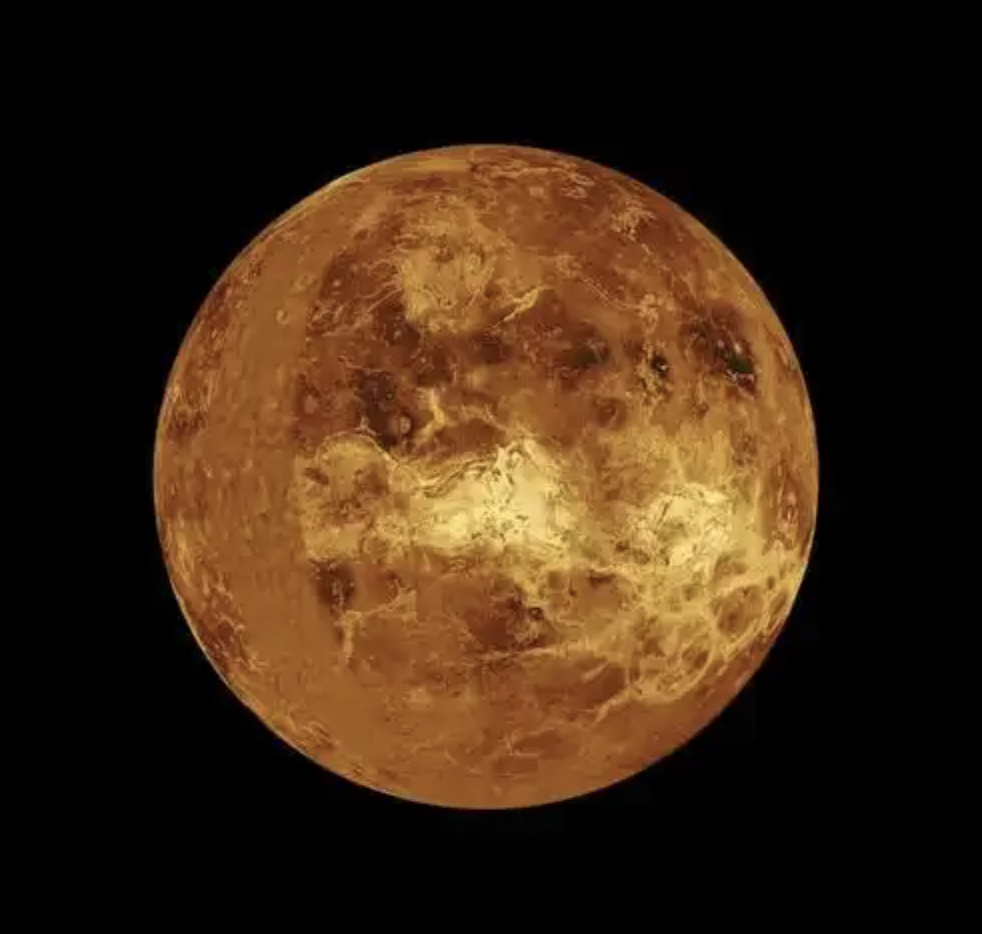
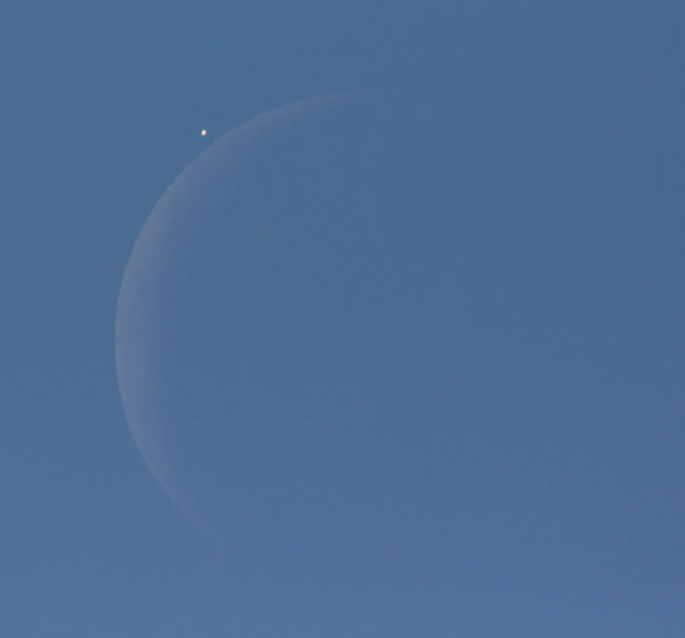
June 17: Moon near Venus
- Conjunction time: 20:20 GMT - Conjunction distance: 0°17′ - Close approach time: 20:29 GMT - Close approach distance: 0°16′ - Occultation start: 18:15 GMT - Occultation end: 22:28 GMT On June 17, the 11%-illuminated Moon will pass very close to Venus (mag -4.0) in the constellation Cancer. Both dazzling Venus and the Moon’s thin crescent will be visible to the naked eye. Also, a lunar occultation will occur — the Moon will cover Venus for observers in the contiguous United States, Canada, Brazil, and Venezuela. The occultation will happen during daytime but may still be observable, as both objects are bright enough!
June 16: Moon near Mercury, Planetary alignment
- Conjunction time: 19:32 GMT (3:32 PM EDT) - Conjunction distance: 2°35′ - Close approach time: 20:26 GMT (4:26 PM EDT) - Close approach distance: 2°32′ On June 16, the thin waxing crescent Moon will pass close to Mercury (mag 0.6) in the constellation Gemini. The pair will be very low above the western horizon after sunset. Around this time, a beautiful evening scene will unfold: the Moon and Mercury will be joined by Venus and Jupiter, with the three planets forming a loose line in the twilight sky. Jupiter will be closest to the Moon early on June 17, while Venus will make an even closer approach later the same day. The bright stars Castor and Pollux in Gemini will also be nearby. On June 16, the delicate waxing crescent Moon creates an elongated triangle with Jupiter and Mercury in the evening sky. Credit: Stellarium/USGS/Celestia/Clementine Content excerpted from: StarWalk
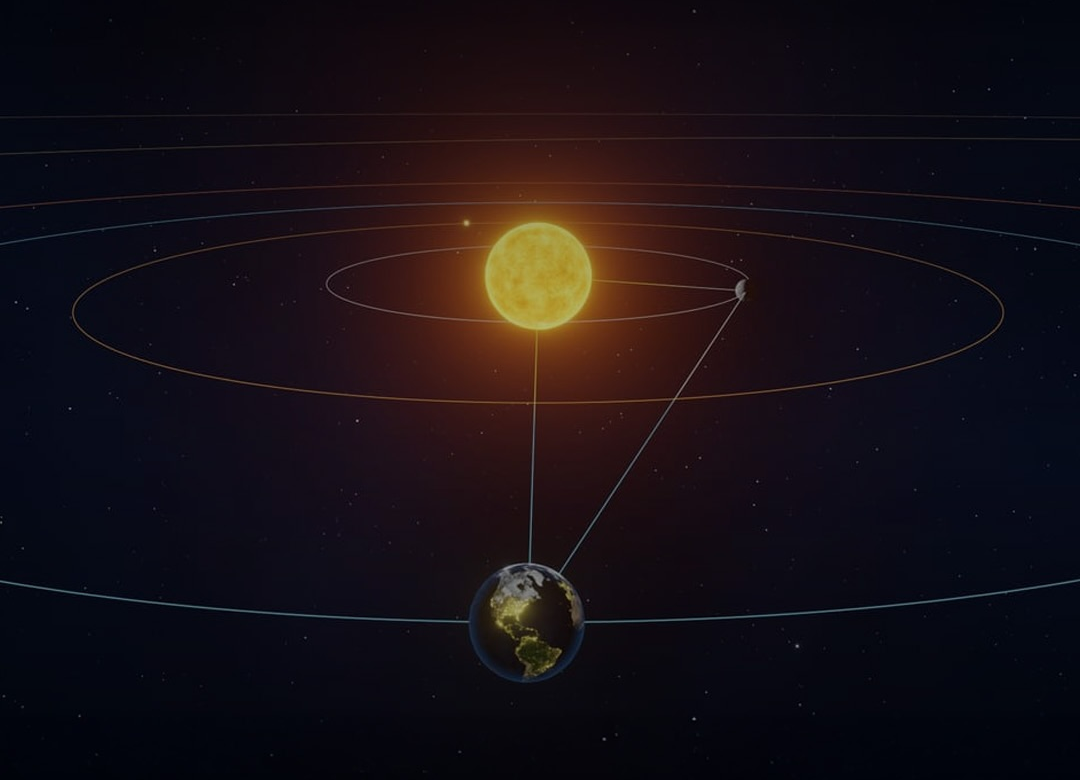
June 15: Mercury at greatest eastern elongation
On June 15, Mercury will reach its maximum angular separation from the Sun (24°31'), making this the best time to observe the planet. Mercury will shine at a magnitude of 0.4 in the evening sky. You can see it with the naked eye in the constellation Gemini. At greatest elongation, Mercury and Venus appear farthest from the Sun in our sky — which is usually your best chance to spot them in twilight. Elongation is the angular distance between a planet and the Sun as seen from Earth, measured in degrees.
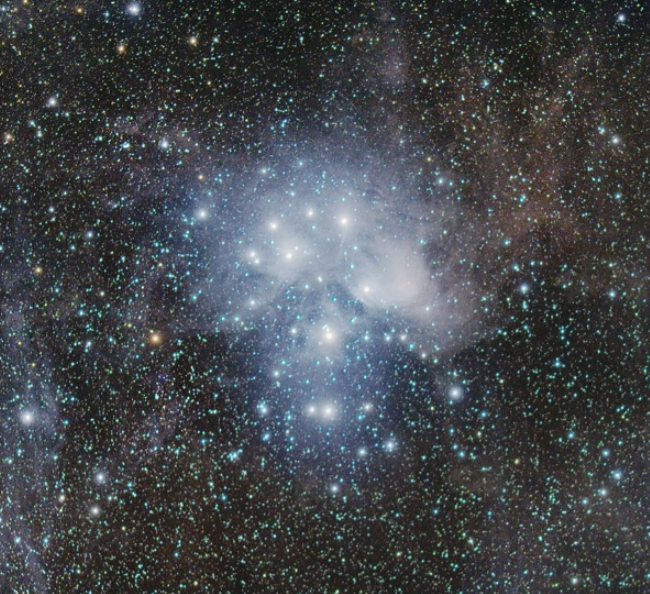
June 13: Pleiades near the Moon; lunar occultation of the Pleiades
- Close approach time: 13:30 GMT (9:30 AM ET) - Close approach distance: 0°56' - Occultation start: 10:18 GMT (6:18 AM ET) - Occultation end: 15:25 GMT (11:25 AM ET)On June 13, the very thin waning crescent Moon will pass close to the Pleiades star cluster. The pair will be visible early in the morning, before sunrise. Since the Moon will be in its waning crescent phase, it won’t overshine the cluster, so both objects may be visible to the naked eye. For the best chance to spot them, find a place with a clear, unobstructed horizon. In some regions, the Moon will pass in front of the Pleiades. This occultation is the year’s best for the western part of the world. The lunar occultation will be visible across central North America, Mexico, Central America, and the western regions of South America.
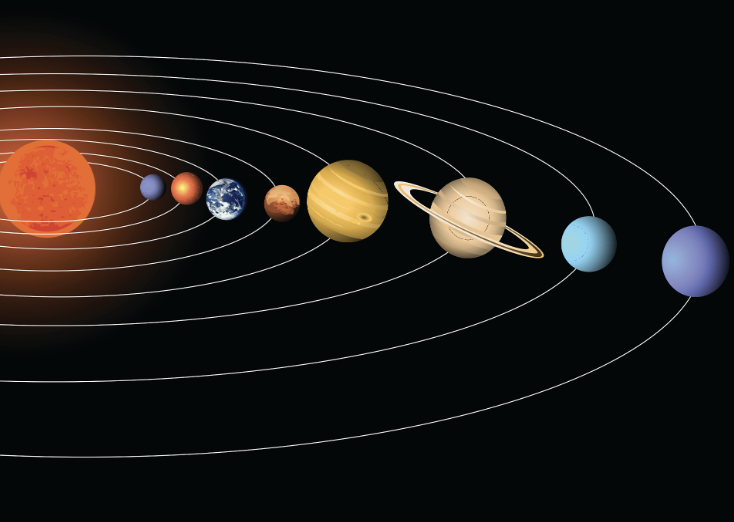
June 12: Three-planet alignment
Around June 12, a mini three-planet alignment will brighten the evening sky. About an hour after sunset, look above the western horizon to spot Mercury, Jupiter, and Venus lined up in a neat diagonal. All three planets will be easy to see with the naked eye, gathered within about a 10° sky sector. Starting around June 16, a very thin crescent Moon will also join the lineup, making the view even more picturesque.
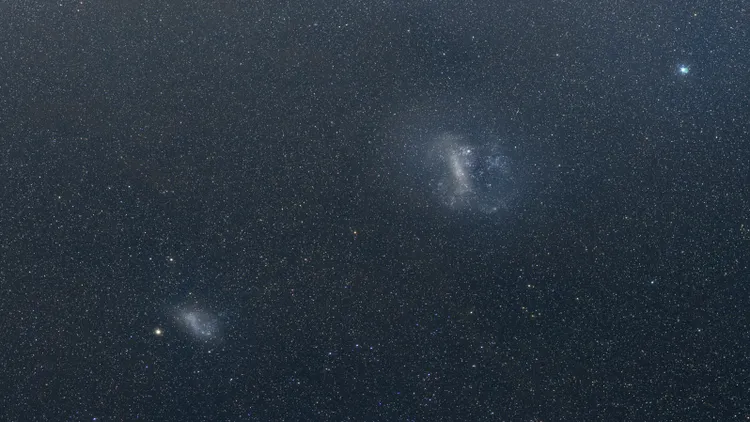
The Large Magellanic Cloud Is Tearing Apart Its Neighboring Galaxy
Astronomers have discovered that the Large Magellanic Cloud (LMC) is gradually pulling apart the Small Magellanic Cloud (SMC) through its gravitational influence. This visible light mosaic shows the LMC and SMC. Separated by about 21 degrees, the two galaxies are readily visible from the Southern Hemisphere as faint, glowing patches in the night sky. (Image credit: Axel Mellinger, Central Michigan University/NASA Visualization Studio) Using 11 years of observations from the VISTA telescope at the European Southern Observatory, researchers found that stars in the Small Magellanic Cloud are not rotating around the galaxy as previously believed. Instead, they are moving outward as a group. Their motions point directly toward the Large Magellanic Cloud, indicating that tidal forces from the larger galaxy are stretching and disrupting its smaller neighbor. An animation indicating the radial motion of the stars in the SMC. (Image credit: ESO/VISTA VMC/AIP/S. Vijayasree) The findings suggest that the Small Magellanic Cloud has been significantly distorted over billions of years of interaction. Its irregular shape today is likely the result of this long-term gravitational tug-of-war. The study also revealed evidence of another mysterious gravitational disturbance that may have occurred around 2 billion years ago. The signatures of this ancient event are still preserved in the motions of some of the galaxy’s oldest stars. In the distant future, both Magellanic Clouds are expected to continue interacting with the Milky Way and will eventually merge with our galaxy billions of years from now. Until then, the Large Magellanic Cloud will continue to reshape and influence its smaller companion.
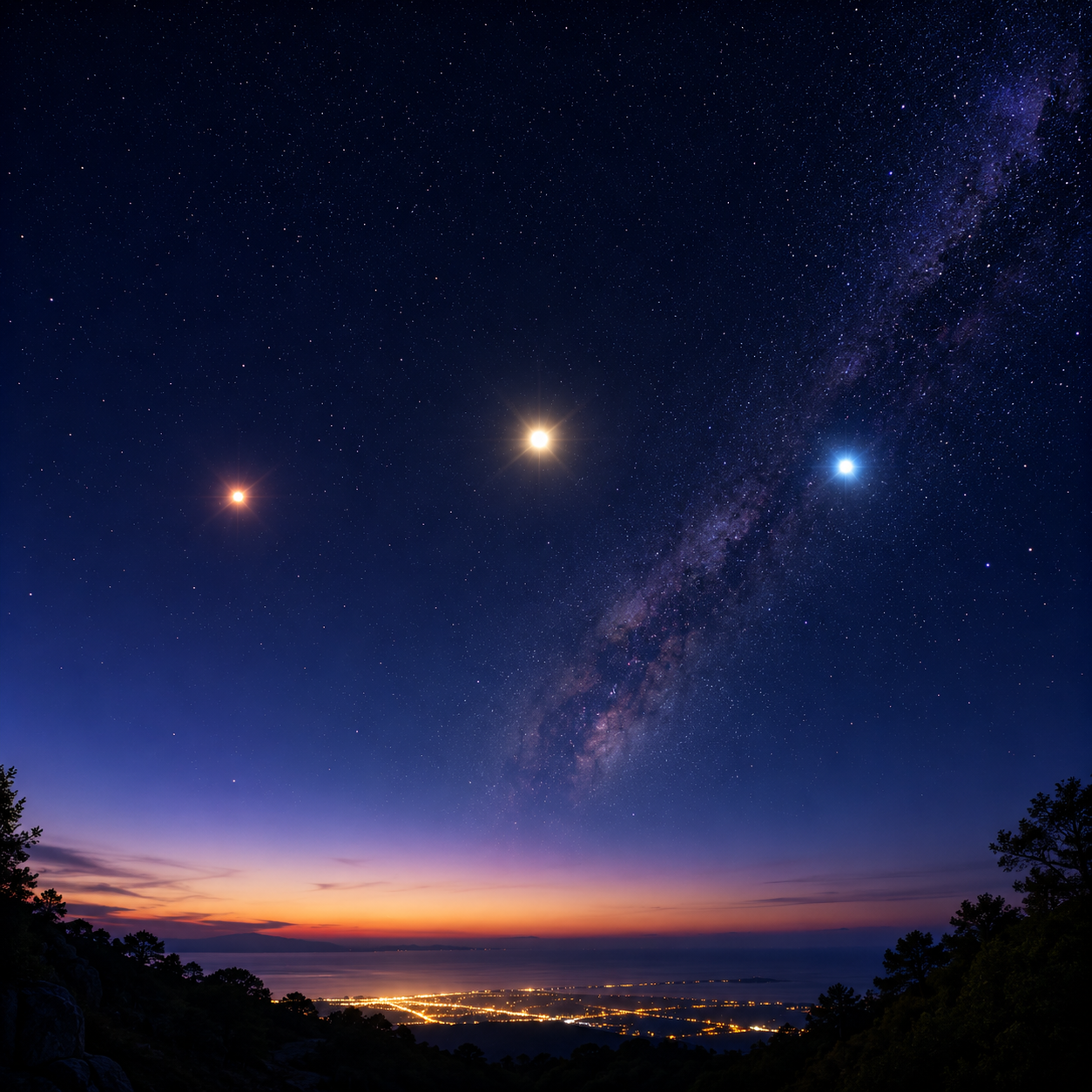
3 bright planets light up June's night sky
This is the month of the "Great Celestial Summit Meeting" between a crescent moon, three bright planets and two bright stars. The stars (Pollux and Castor) and planets (Venus, Jupiter and Mercury) will be arrayed across the west-northwest sky during the first half of the month, with the moon moving in to join them during the evenings of June 16 and June 17. The most amazing sight will be provided by Venus and Jupiter as they approach each other on a nightly basis, before finally arriving at a close conjunction, less than two degrees apart, on the evening of June 9. Meanwhile, the early hours of the morning belong to Saturn and Mars. Saturn rises well after midnight most of this month, but is well placed in the southeast sky at the break of dawn. Using a telescope magnifying 30x or more will bring out its beautiful ring system, a big improvement compared to a year ago, when they appeared virtually edgewise to our line of sight. Meanwhile, Mars is becoming easier to sight, after being enmeshed in the bright twilight glow for nearly a year. It becomes evident, low in the east-southeast, a couple of hours before sunup. Shining now at first magnitude, it will brighten, but very slowly, during the second half of this year.
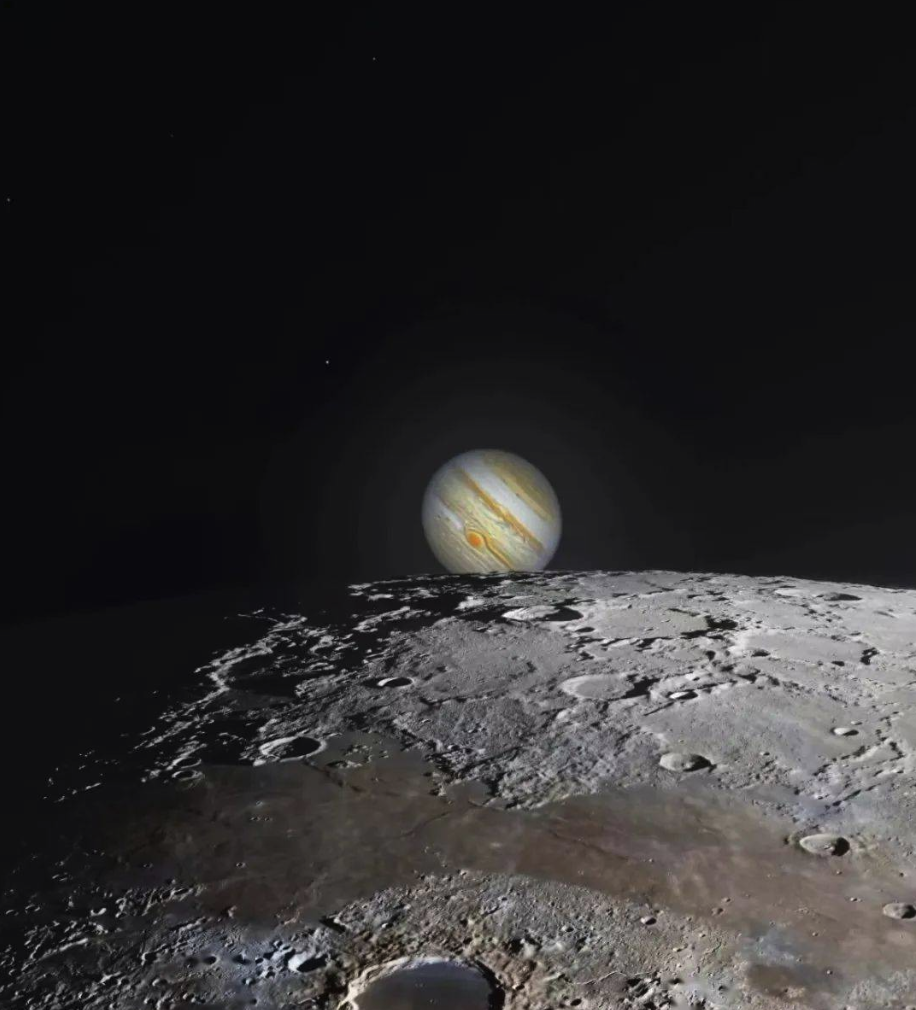
June 10: Moon near Saturn
- Close approach time: 06:50 GMT (02:50 AM EDT) - Close approach distance: 5°32′ - Conjunction time: 11:41 GMT (07:41 AM EDT) - Conjunction distance: 6°11′On June 10, the waning crescent Moon will appear near Saturn (mag 0.9) in the constellation Pisces. Look for them in the morning, above the eastern horizon, about an hour before sunrise. Mars (mag 1.3) will also be visible nearby. A small telescope will reveal faint Neptune (mag 7.9) south of the Moon if you’re in the Northern Hemisphere and north of it if you’re in the Southern Hemisphere.
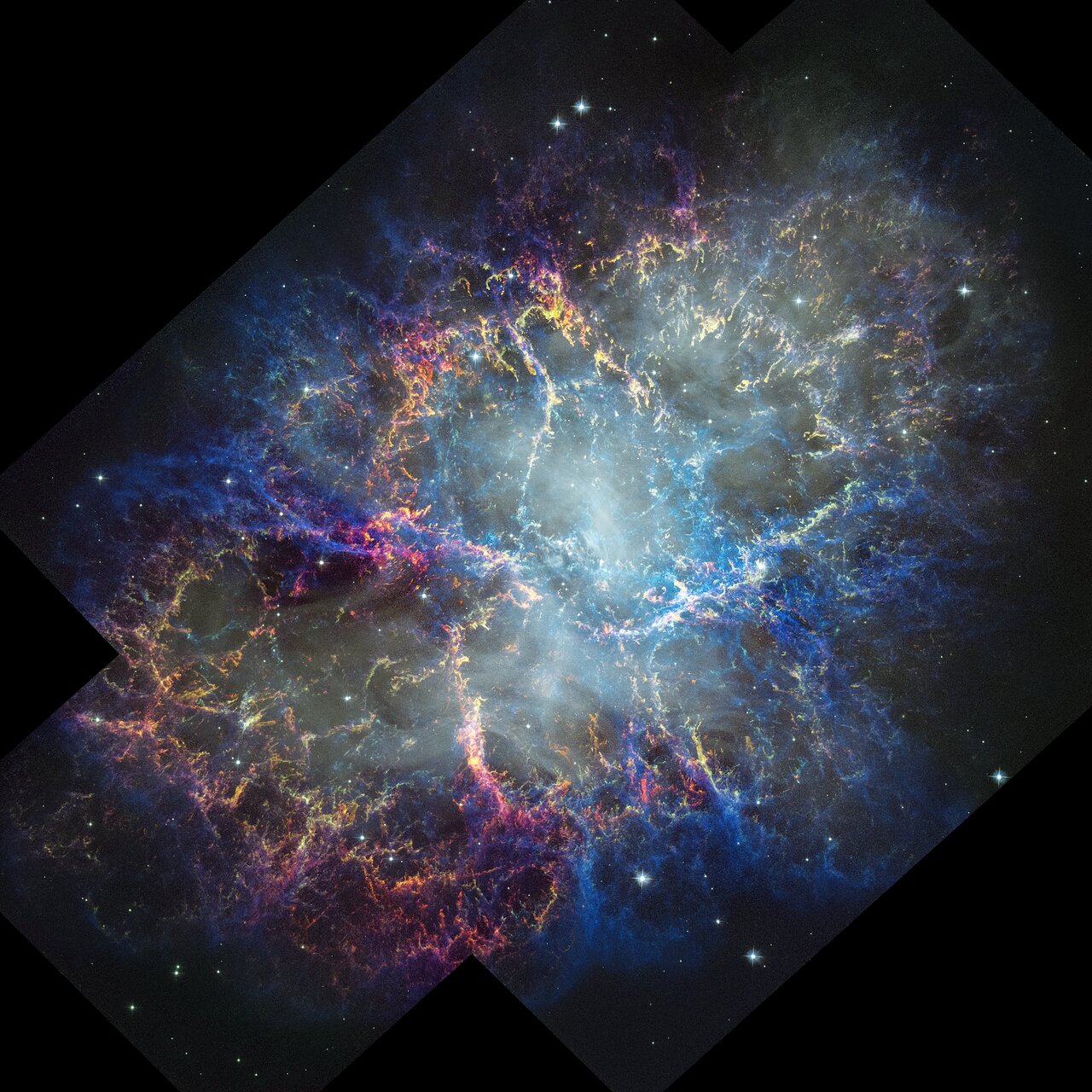
Hubble revisits Crab Nebula to track 25 years of expansion
Nearly a millennium ago, astronomers witnessed a brilliant new star blazing in the sky — a supernova so bright it was visible in daylight for weeks. Today, its expanding remnant, the Crab Nebula, continues to evolve 6,500 light-years away. First linked to historical records by Edwin Hubble, the nebula has since been studied in exquisite detail by the NASA/ESA Hubble Space Telescope, which has now revisited this ancient explosion to trace its ongoing expansion and transformation. A quarter of a century after the first full observation of the Crab Nebula, the Hubble Space Telescope has once again observed this supernova remnant. The Crab Nebula is the remnant of the SN 1054 supernova explosion, located in the constellation Taurus, 6,500 light-years from Earth. The new image clearly shows the nebula’s complex filamentary structure, as well as the changes in these gases as they continue to expand outward over 25 years at speeds of up to 5.5 million kilometers per hour. Scientists found that the outer regions show more pronounced expansion, while the central region is influenced by energy released from the internal pulsar. The research team also used the new data to further analyze the three-dimensional structure of the Crab Nebula, and combined observations from other telescopes such as the James Webb Space Telescope to study in greater depth the remnants left behind by this supernova explosion from a thousand years ago.
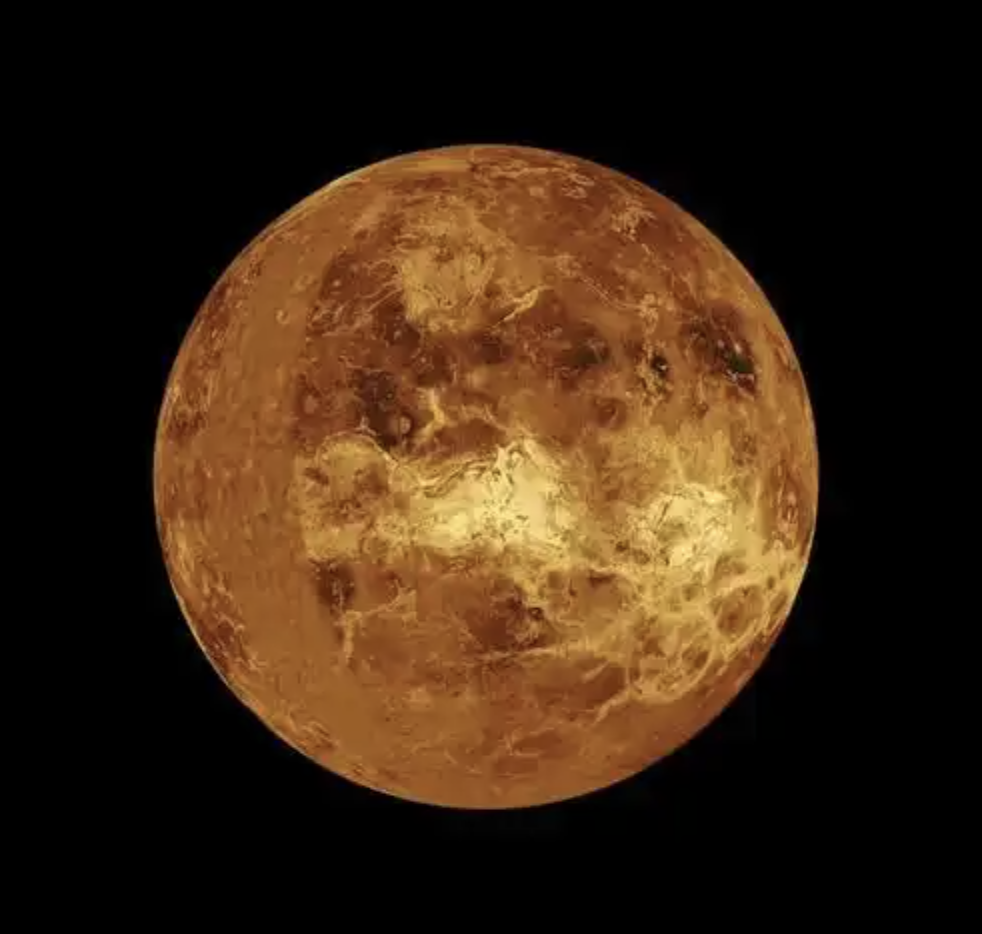
June 9: Venus near Jupiter
- Conjunction time: 12:30 GMT - Conjunction distance: 1°38′ - Close approach time: 19:47 GMT - Close approach distance: 1°36′On June 9, Jupiter and Venus — the two brightest planets in the night sky — will appear close together in the evening sky, above the northwestern horizon. With magnitudes of –1.8 for Jupiter and –4 for Venus, the pair will be strikingly bright and easy to spot with the naked eye. Source: starwalk
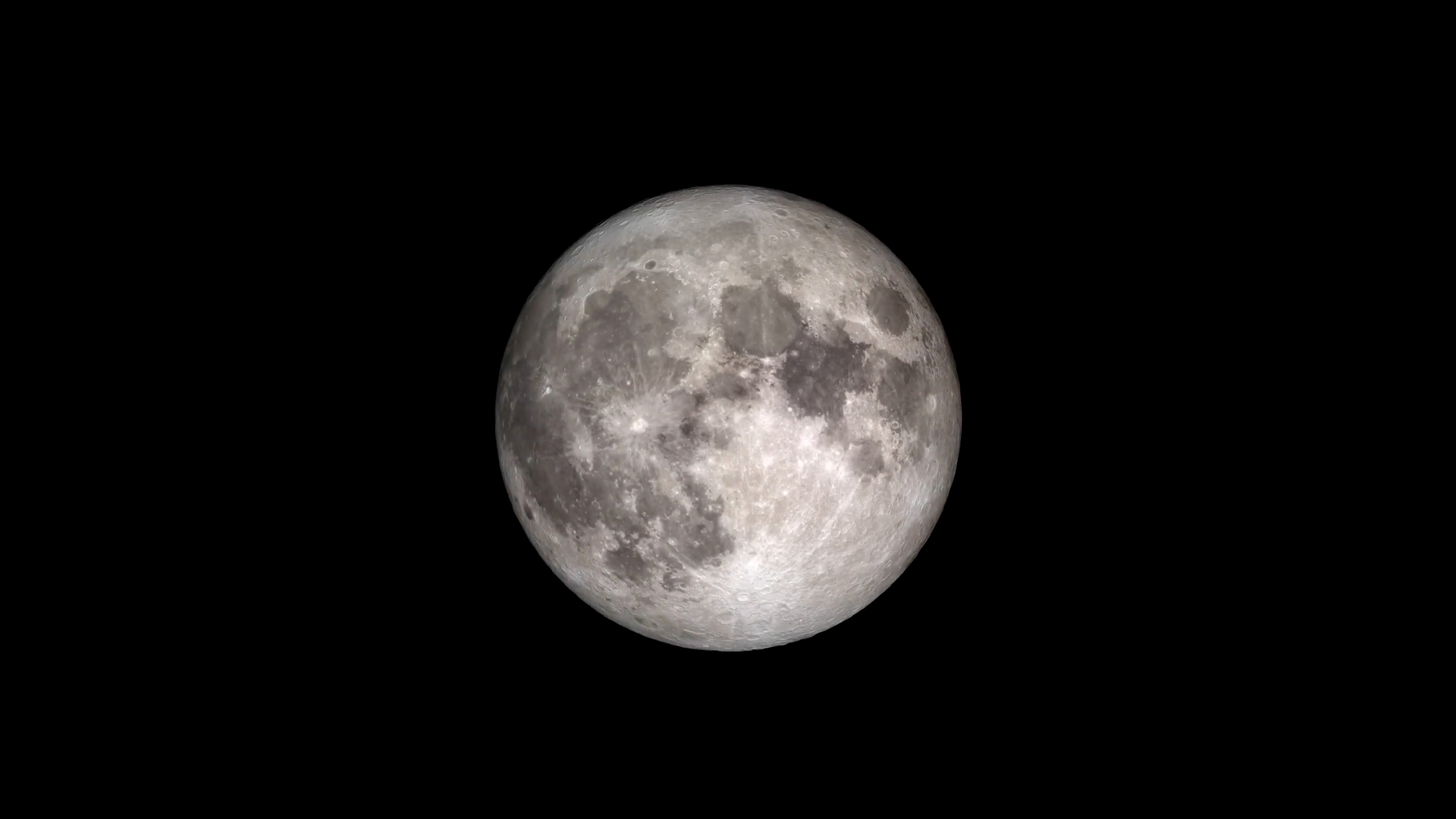
May 31: Full Moon (Blue Moon, Micromoon)
- Date and time : May 31, 2026, 08:45 GMT - Type: Monthly Blue Moon, Micromoon - Constellation: Scorpius - Visibility: Visible to the naked eye; appears full from May 30 to June 1.The second Full Moon in May 2026 — called a Blue Moon — will occur on May 31. This Full Moon also falls near the Moon’s apogee (farthest point from Earth), making it the year’s smallest Micromoon. At the moment of the Full Moon, our natural satellite will be in the constellation Scorpius.