
Why is there a sharp lower cutoff in my stacked Seestar S50 histograms?
I am trying to understand a feature I see in the histograms of my Seestar S50 data, before stretching.
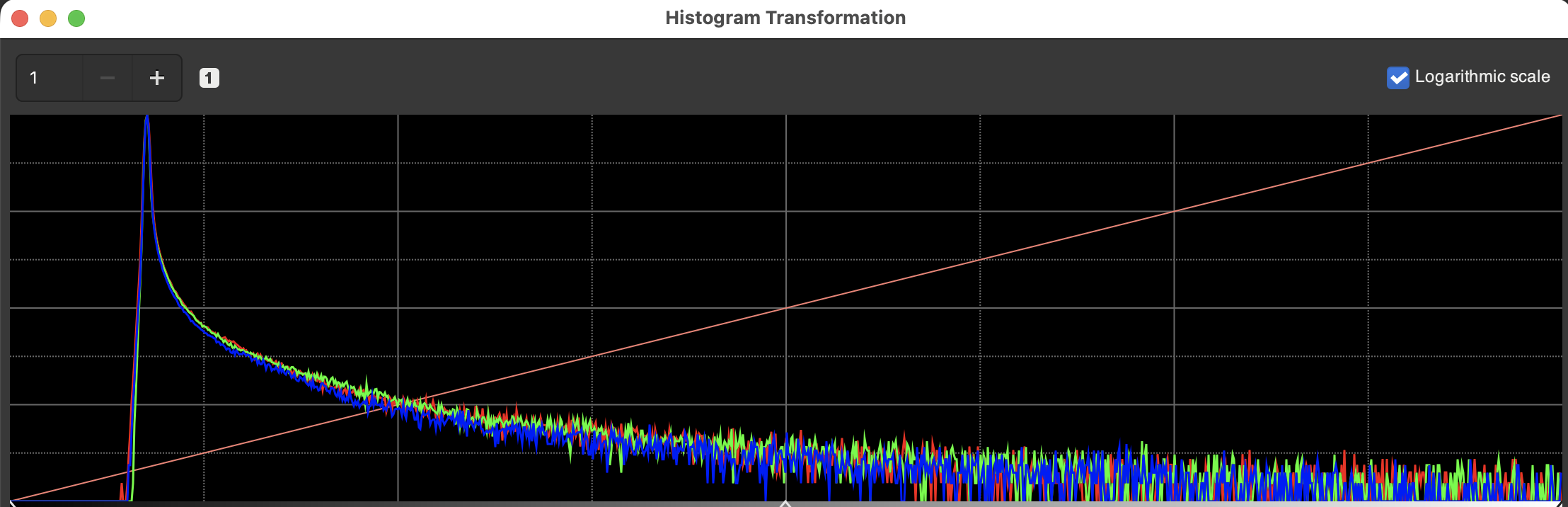
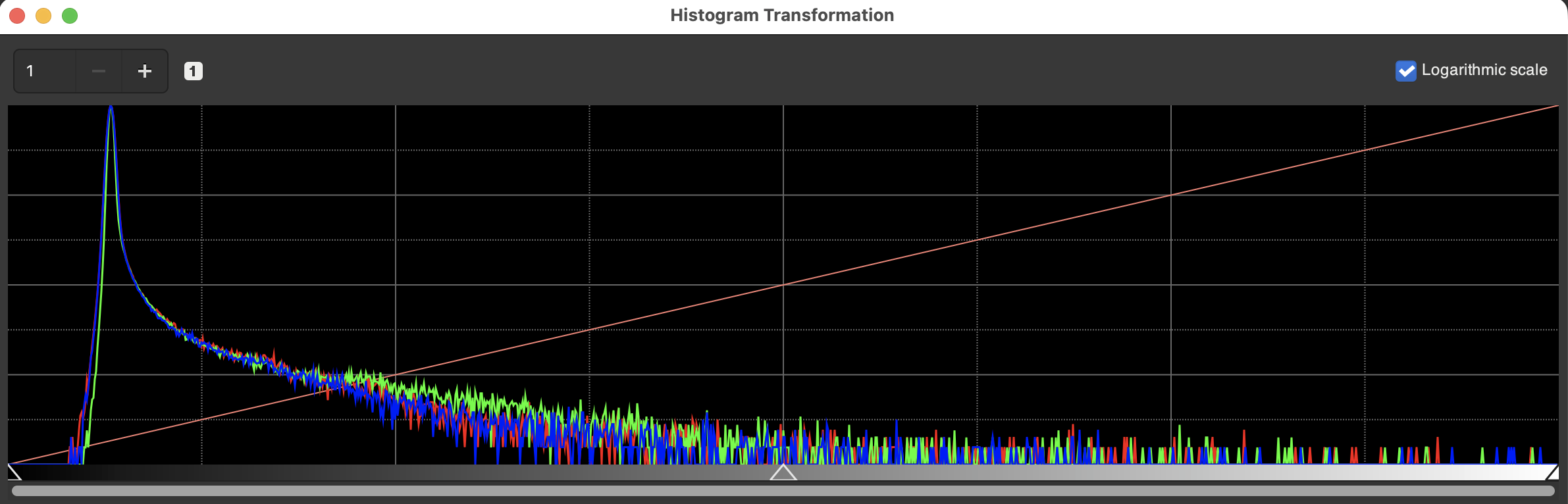
The target is M57 (see my gallery if interested). I have two stacked images, one made from 20 s subs and one from 60 s subs. Both were stacked in Siril with drizzle 2× and default parameters for pixel rejection algorithm (GSEDT). The screenshots show the clean pre-stretch histograms in logarithmic scale.
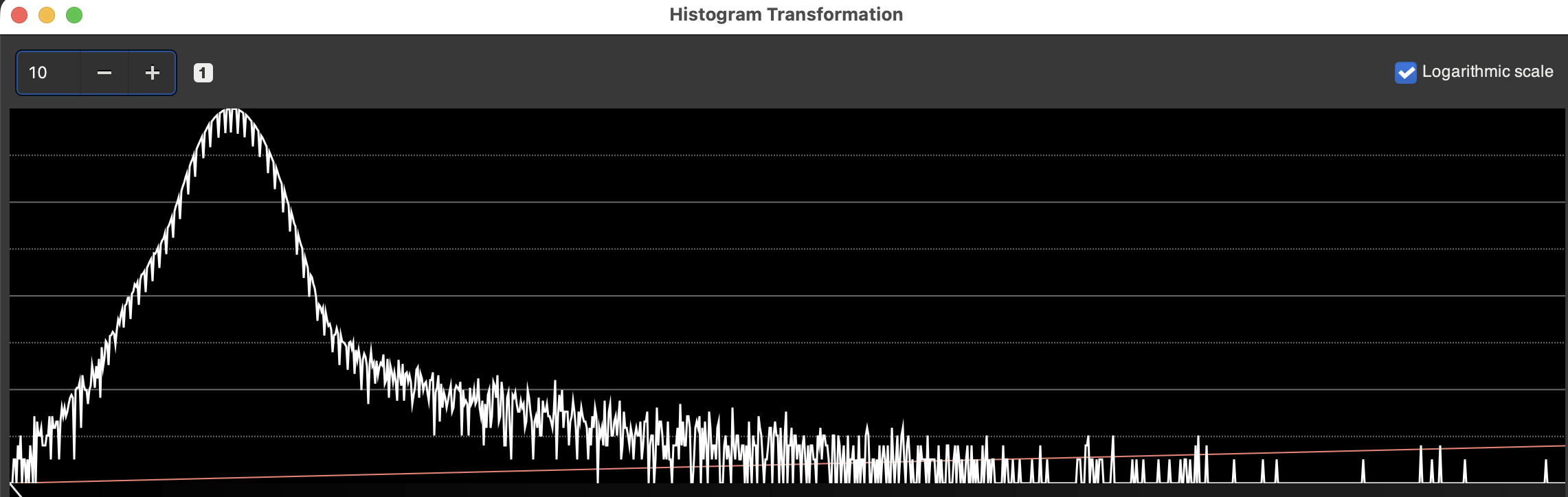
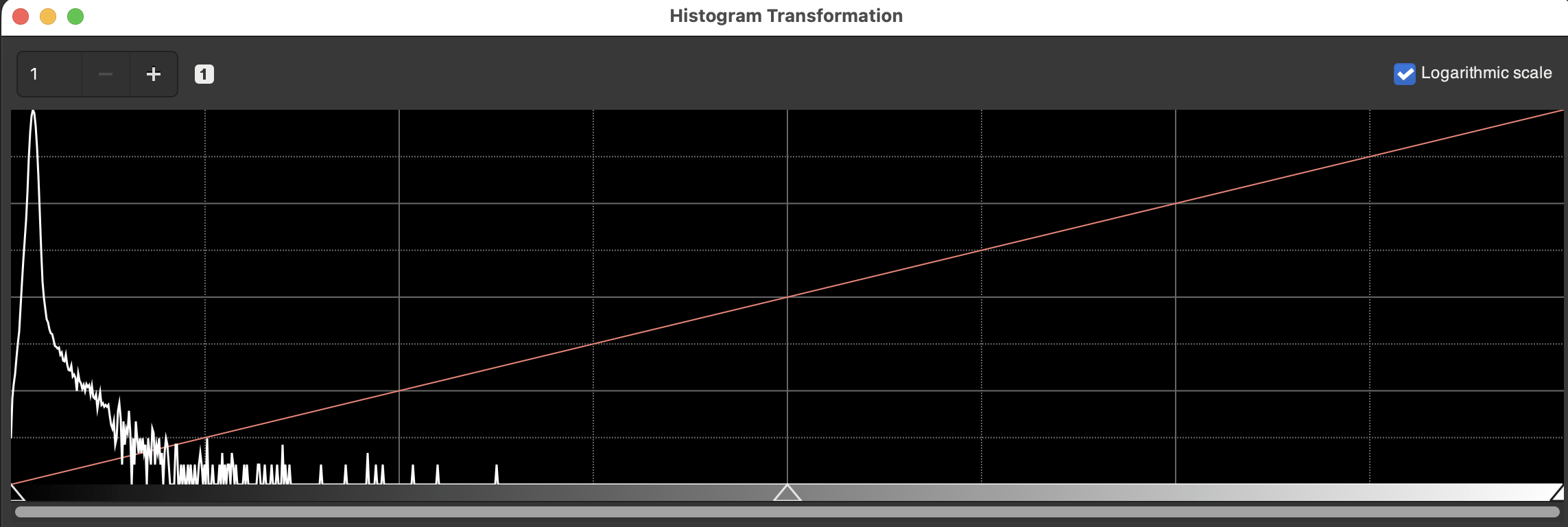
For comparison, I also attach the histogram of a single original Seestar light frame, not debayered, shown at histogram scale 1 and scale 10.
What puzzles me is this: in the single light frame the histogram looks quite normal, with a broad sky-background distribution and a tail toward low values. But in the stacked RGB images, even in logarithmic scale, there seem to be absolutely no pixels below a rather sharp lower threshold. The histogram starts abruptly.
Is this simply the expected result of stacking many calibrated Seestar frames — noise reduction making the background distribution much narrower — or could it indicate some kind of black-level clipping / pedestal handling / normalization effect in the Seestar FITS or in the Siril stacking process?
I am not necessarily saying this is a problem; I am just trying to understand what I am seeing. Any comments from people familiar with Seestar FITS and Siril stacking would be very welcome.